How Buyers Can Avoid Falling in Love With the Wrong House

Buying a home is an emotional process, and that is not a bad thing. Emotion helps buyers picture their life in a space. The problem arises when emotion takes over before logic has a chance to catch up.
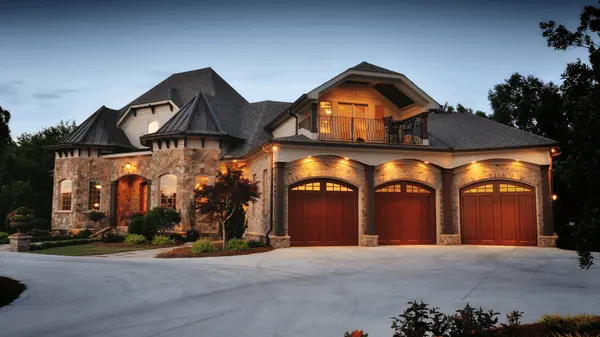
Many buyers fall in love with a house because of staging, décor, or one standout feature. A beautiful kitchen, a dramatic entry, or a backyard setup can overshadow issues that matter more long-term. Buyers may ignore location drawbacks, layout problems, or payment discomfort because they are focused on how the home feels in the moment.
One way buyers can protect themselves is by setting non-negotiables early. These are not wish-list items. They are foundational needs such as budget comfort, commute limits, school zones, or bedroom count. If a home misses a non-negotiable, it should not move forward, no matter how charming it feels.
Another important step is separating cosmetic appeal from structural or functional value. Paint colors, lighting, and décor are easy to change. Lot placement, road noise, awkward layouts, or lack of storage are not. Buyers who focus on what can be changed versus what cannot make stronger decisions.
Buyers should also revisit numbers after the emotional high fades. Looking at the payment again, including taxes, insurance, and HOA fees, helps ground the decision. If the payment creates stress, that stress will not disappear after closing.
A helpful practice is comparing the home to two or three alternatives. This keeps perspective intact. When buyers view only one home in isolation, it is easier to overvalue it. Side-by-side comparison reveals strengths and weaknesses more clearly.
Falling in love with a home is natural. Staying grounded in facts is what prevents regret. The best purchases happen when emotion and logic are aligned, not when one overrides the other.
Recent Posts



GET MORE INFORMATION