How Buyers Can Avoid Over-Upgrading After They Move In
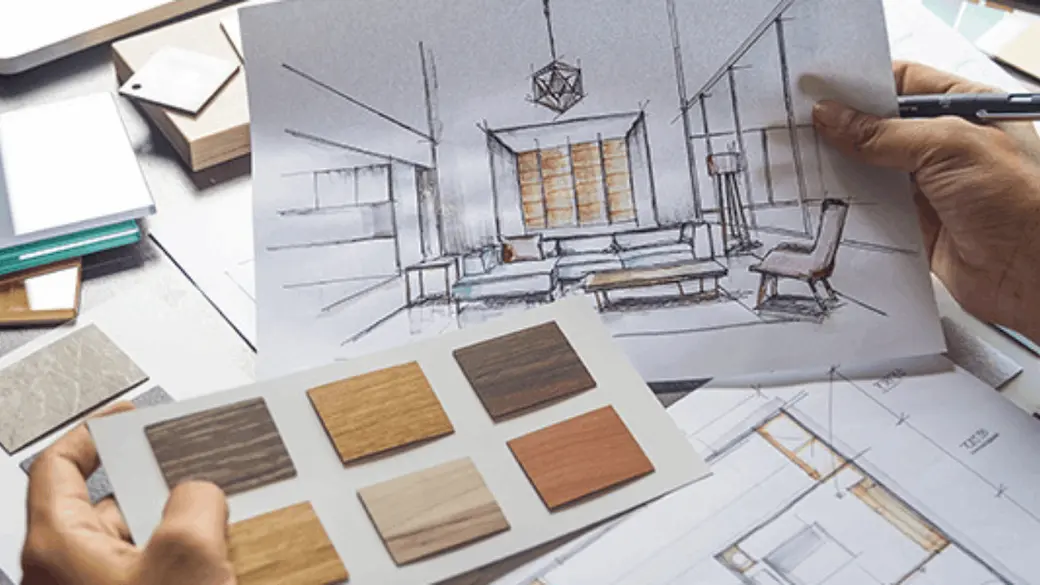
Many buyers close on a home feeling excited and motivated to make it “perfect.” New paint, new flooring, new fixtures, new everything. While some updates make sense, over-upgrading is one of the most common financial mistakes buyers make after purchasing.
Over-upgrading usually happens when buyers renovate emotionally instead of strategically. They walk through the home after closing and immediately focus on everything they would change, rather than what actually needs attention. This often leads to spending tens of thousands of dollars on improvements that do not increase the home’s value or enjoyment proportionally.
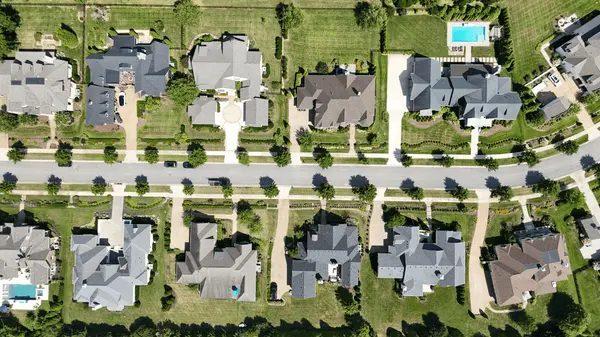
One of the biggest issues is upgrading beyond the neighborhood standard. Every neighborhood has a value ceiling based on location, demand, and surrounding homes. Buyers who install luxury finishes in an area where buyers typically expect mid-range updates often do not recoup the cost later. The home may feel nicer, but the resale market may not reward it.
Another common mistake is doing too much too fast. Living in the home for a few months often changes priorities. What seemed urgent on day one may not matter after daily routines settle in. Buyers frequently discover that layout, light, or flow matter more than cosmetic finishes they initially wanted to replace.
Buyers should also consider opportunity cost. Money spent on upgrades could instead support emergency savings, future moves, or lifestyle flexibility. Being house comfortable matters just as much as being house proud.
The smartest approach is prioritization. Safety and functional issues come first. Items like HVAC performance, roof condition, drainage, and electrical safety protect both comfort and long-term value. After that, buyers should focus on updates that improve daily living, not just aesthetics.
Cosmetic upgrades should be intentional. Paint, lighting, and minor fixture changes often create a big impact without large investment. Larger renovations should be evaluated with resale in mind, even if resale feels far away.
The goal is not to avoid upgrades. It is to avoid regret. Buyers who upgrade thoughtfully enjoy their homes more and protect their financial position at the same time.
Recent Posts




GET MORE INFORMATION