How Much Money Do Buyers Need to Buy a Home?
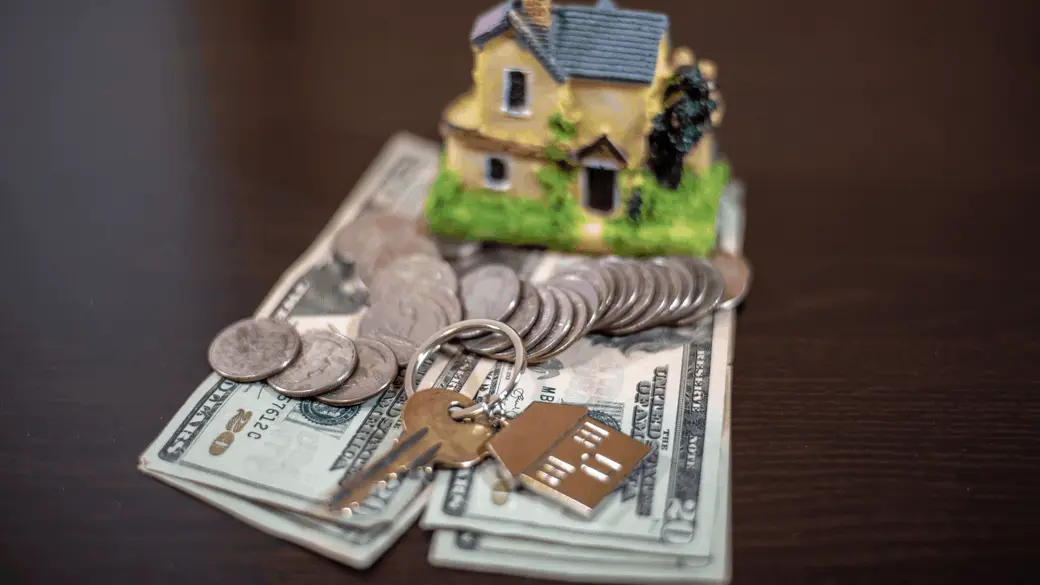
Many buyers assume the biggest hurdle to purchasing a home is saving for the down payment. While the down payment is definitely a key part of the equation, the total cost of buying a home includes several other expenses that often catch buyers off guard. Understanding the full financial picture upfront helps buyers prepare realistically, avoid surprises, and feel confident moving forward.
The Down Payment: Flexible, Not One-Size-Fits-All
The most visible cost in the buying process is the down payment, but it can vary widely depending on the loan type and the buyer’s qualifications. Some buyers choose a lower down payment to preserve savings and keep extra cash available after closing. Others decide to put more down to reduce their monthly payment, strengthen their loan terms, or avoid mortgage insurance.
The right down payment strategy isn’t always “the biggest possible”—it’s the one that supports long-term comfort and stability.
Closing Costs: The Most Common Surprise Expense
Beyond the down payment, buyers also need to budget for closing costs, which typically include:
-
lender fees
-
title services
-
appraisal fees
-
inspections
-
prepaid property taxes and homeowners insurance
Closing costs can add up quickly, and they’re often underestimated by buyers who are only focused on the down payment. The good news? In many markets, closing costs are negotiable, especially in buyer-friendly conditions where sellers may contribute toward closing expenses as part of an offer.
Inspections, Repairs, and Reserve Savings
Another smart part of the buying budget is setting aside money for inspections and potential repairs. Not every home requires immediate work, but having a reserve fund gives buyers peace of mind. Even newer homes can come with maintenance needs after move-in—so planning ahead prevents financial stress later.
Moving and Setup Costs Add Up Fast
One of the most overlooked expenses is the cost of moving and getting settled. These post-closing costs can include:
-
moving services or truck rentals
-
utility deposits and transfers
-
furniture and window coverings
-
minor updates like paint or lighting
-
basic home maintenance supplies
These expenses often hit within the first 30 days of owning the home, so budgeting for them ahead of time makes the transition smoother.
Bottom Line
The most prepared buyers don’t focus on one number—they build a complete total-cost budget. Buying a home isn’t just about qualifying for a mortgage. It’s about feeling financially comfortable after closing, when the keys are in hand and real life begins.
For the full roadmap and answers to related buyer questions, visit the Buyer’s Guide to Buying a Home in Today’s Market
Recent Posts






GET MORE INFORMATION