What Buyers Should Know About Buying Near Future Development
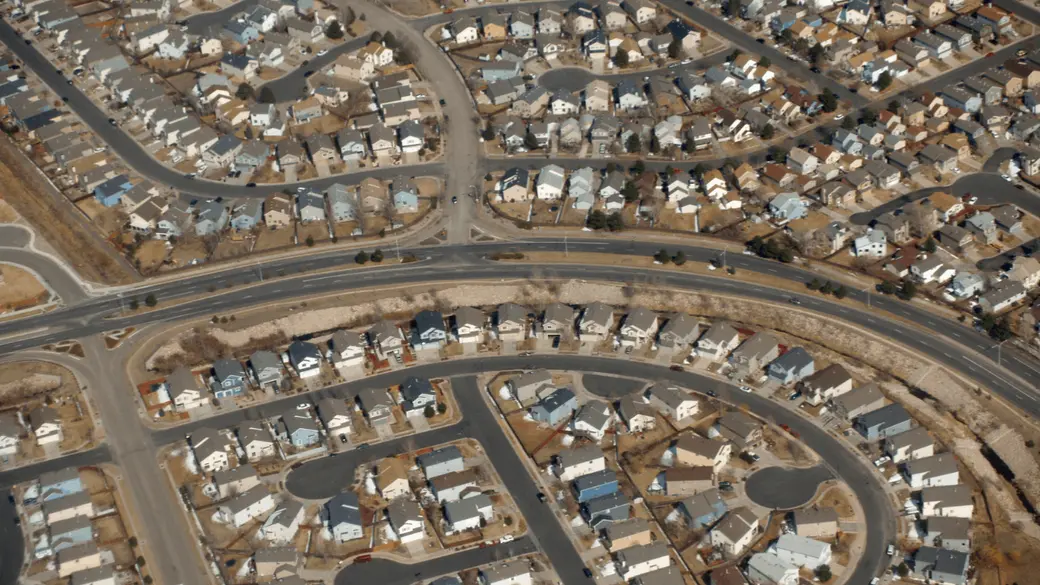
Future development is one of the most overlooked factors in home buying, yet it can dramatically impact a buyer’s day-to-day life and long-term value. Many buyers focus on what the neighborhood looks like today without considering what it may look like two, five, or ten years from now.
Buying near future development can be a positive when it is understood correctly. New retail, restaurants, schools, and infrastructure improvements can increase convenience and make an area more desirable over time. Buyers who get in early may benefit from appreciation as the area matures. This is especially common in growing suburbs where expansion is planned and population growth supports long-term demand.
However, development can also bring challenges that buyers should evaluate carefully. Construction noise, dust, traffic congestion, and road closures can last for years, not months. What starts as a short-term inconvenience can become a daily frustration if buyers are unprepared. Buyers who work from home, have small children, or value quiet surroundings should weigh these realities closely.
Another concern is the type of development planned. Residential growth tends to blend more naturally into neighborhoods, while commercial or industrial development can affect traffic patterns, noise levels, and overall feel. A home that backs to open land today may back to a busy roadway or commercial space tomorrow. That change can affect privacy, enjoyment, and resale appeal.
Buyers should research zoning and city planning before committing. Most cities publish future land use maps, zoning plans, and approved projects. These resources can reveal what is already planned versus what is only speculative. Understanding the difference prevents assumptions that later turn into disappointment.
Resale impact should always be part of the conversation. Some buyers will see proximity to new amenities as a positive. Others will avoid areas impacted by congestion or overdevelopment. Buyers who understand how future development may influence buyer demand later are better positioned to protect value.
The goal is not to avoid development altogether. Growth is part of a healthy market. The goal is to buy with awareness. Buyers who understand what is coming can decide whether the trade-offs align with their lifestyle and long-term plans.
Recent Posts




GET MORE INFORMATION