What Buyers Should Know About Buying a Home With a Pool
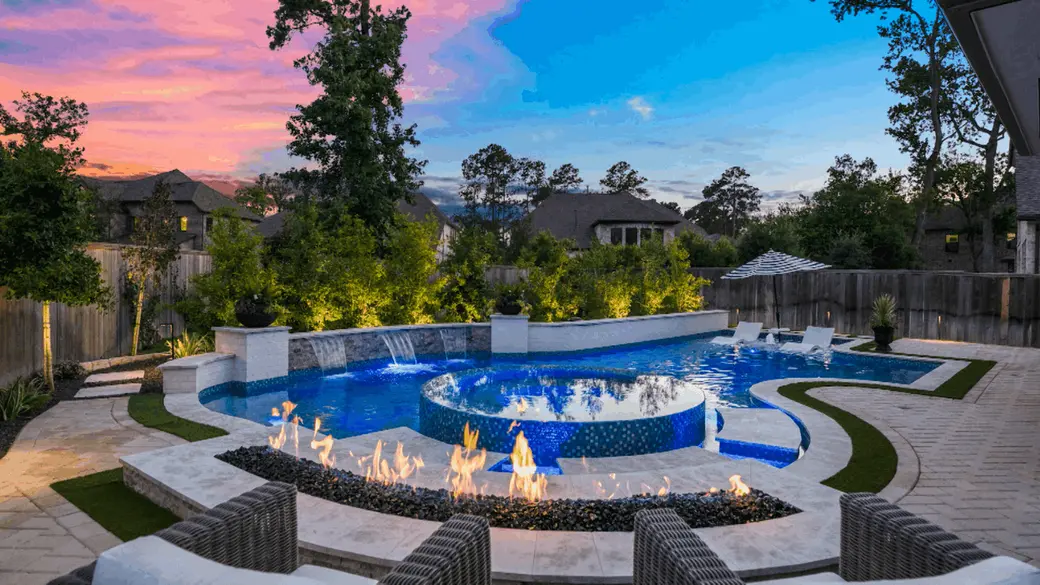
Pools are a lifestyle feature, and for many Texas buyers, they feel like the dream. Long summers, backyard entertaining, kids playing outside, and the idea of a personal retreat all make a pool home feel exciting. But pools also come with responsibilities that buyers should understand before making a decision.
The first thing buyers should consider is total cost, not just purchase price. Pool ownership includes ongoing maintenance like chemicals, cleaning, filter care, and equipment monitoring. Even if a buyer plans to hire a pool company, that cost becomes part of the monthly budget. If a buyer plans to maintain it themselves, the cost may be lower, but the time commitment is real.
Buyers should also evaluate the age and condition of the pool. Major pool expenses usually come from equipment and surfaces. Pumps, filters, heaters, and automation systems wear out over time. Plaster, tile, and decking can also require repair or resurfacing. A pool that looks great at a glance may still have aging equipment that is close to replacement.
Inspection matters. Buyers should strongly consider a pool inspection separate from the general home inspection. Pool inspectors can evaluate equipment, plumbing, leaks, and structural concerns. This is especially important if the pool has older components or if the home’s listing does not provide clear details about upgrades.
Insurance and safety are also part of the conversation. Buyers should ask their insurance provider how a pool impacts premiums and what safety requirements apply. Fencing, gates, alarms, or specific barriers may be required depending on local rules and insurer guidelines. Safety features protect the buyer and reduce risk, but they also represent additional cost if updates are needed.
Resale value is another factor. Pools do not guarantee higher value in every neighborhood. In some areas, pools are expected and help marketability. In others, a pool may narrow the buyer pool because some buyers do not want maintenance or worry about safety. A pool home often sells best when the pool is well maintained, visually appealing, and fits the neighborhood standard.
The best mindset is buying a pool for enjoyment, not for profit. If the buyer wants the lifestyle and understands the responsibilities, a pool can be an amazing upgrade. If the buyer feels unsure, it is worth comparing similar homes with and without pools to decide which fits the long-term plan.
Pools can absolutely be worth it when buyers go in informed. A pool home should feel like a benefit, not a burden, and that comes from understanding maintenance, condition, insurance, and resale before making an offer.
Recent Posts




GET MORE INFORMATION