What Happens After a Seller Accepts an Offer?
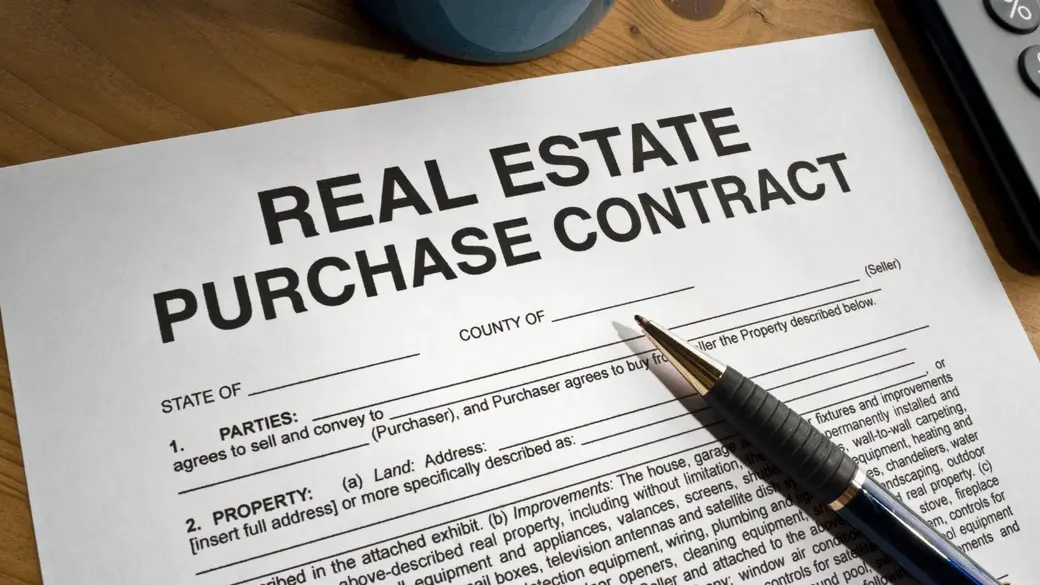
Many sellers think the hardest part is getting the offer. In reality, accepting an offer is the start of the most important phase: the contract to close process. This is where deadlines matter, negotiations happen, and deals can either stay solid or fall apart. A seller who understands what happens next stays calm, makes smarter decisions, and protects their timeline and proceeds.
After an offer is accepted, the transaction typically moves into the option period. This is when the buyer conducts inspections and evaluates the home’s condition. Buyers may request repairs, credits, or adjustments based on what the inspection reveals. The seller’s job is not to panic or agree to everything. The seller’s job is to negotiate strategically. Safety issues, major system problems, and lender required items often deserve attention. Cosmetic wish lists do not always deserve concessions. The way inspection negotiations are handled can determine whether the buyer stays committed or becomes uncertain.
Next comes the appraisal. If the buyer is financing, the lender will order an appraisal to confirm value. Appraisal issues can occur when a buyer overpays relative to recent comps or when the market is shifting and comps lag behind. If an appraisal comes in low, there are options: negotiate price, negotiate a split, have the buyer bring additional funds, or challenge the appraisal with better comps. A proactive pricing and comp strategy reduces the risk, but sellers should still be prepared.
During this time, title work is also progressing. The title company confirms ownership, checks for liens, and prepares the documents needed for closing. If there are issues such as old liens or HOA documentation delays, those can affect timeline. Financing approval is happening in parallel. The buyer must submit documentation, the lender must finalize underwriting, and the buyer must meet all conditions.
As closing approaches, the seller will plan the move out timeline and complete any agreed repairs. The buyer typically does a final walkthrough to confirm the home’s condition matches the contract. Then closing occurs and the property transfers.
This entire process is not passive. Deadlines must be tracked, communication must be consistent, and negotiation must be handled with confidence. Strong representation protects the seller’s proceeds, reduces stress, and keeps the deal moving forward to the closing table.
Recent Posts







GET MORE INFORMATION