What Makes One Neighborhood a Better Investment Than Another?
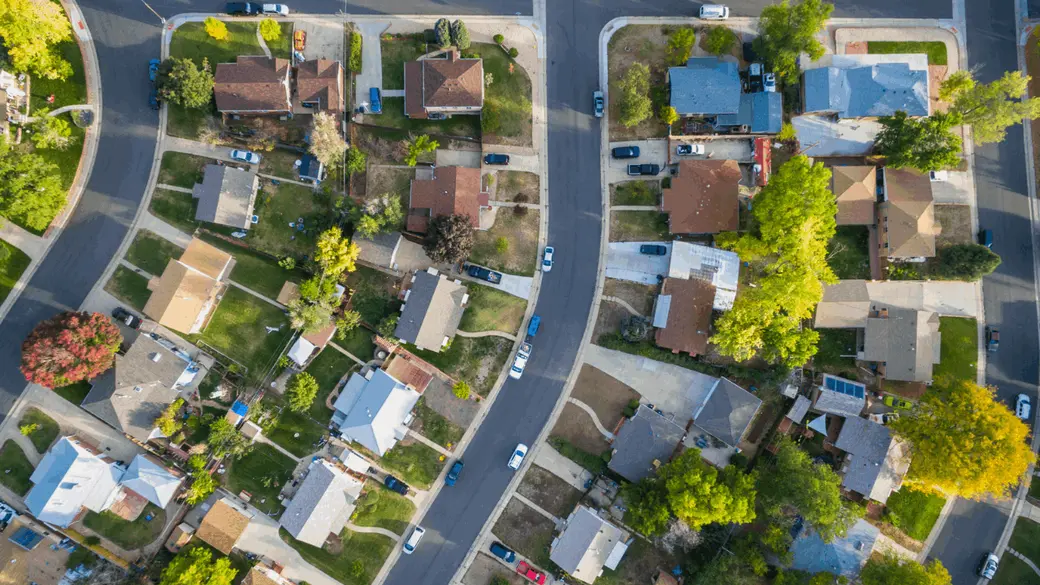
When buyers shop for a home, they’re not just choosing a property—they’re choosing a neighborhood investment. And one of the smartest questions buyers can ask today is: “How do I know which neighborhood will hold value and grow over time?”
The truth is: not all neighborhoods perform the same. Two homes with similar size, layout, and upgrades can have completely different appreciation trends based on location, demand, and future development. A neighborhood isn’t just a backdrop—it plays a major role in both your lifestyle and long-term wealth.
Strong Neighborhoods Have Consistent Demand
One of the biggest indicators of a strong investment neighborhood is buyer demand over time. Areas with consistent desirability tend to attract buyers in both hot markets and slower markets, which helps protect long-term value.
Demand is often influenced by:
-
convenience to highways and commuting routes
-
proximity to shopping, dining, and entertainment
-
walkability or lifestyle appeal
-
parks, trails, and green space
-
safety and community feel
When buyers consistently want to live there, prices tend to remain stable—even in uncertain markets.
School Quality Matters (Even If You Don’t Have Kids)
School districts are one of the top drivers of neighborhood value. Even buyers without children often prefer areas with strong school ratings because it increases future resale demand.
Neighborhoods with desirable schools often experience:
-
higher resale premiums
-
faster selling times
-
stronger buyer competition
-
more long-term value stability
Supply Constraints Keep Values Stronger
One major factor many buyers overlook is how much land is available for new construction. Neighborhoods with limited space to expand often experience stronger price performance because supply is naturally capped.
Examples include established communities with:
-
mature trees and older lots
-
limited buildable land nearby
-
zoning restrictions
-
fewer new developments
When supply is limited and demand stays strong, prices typically hold and rise more consistently.
Infrastructure and Future Development Are Key
Another major neighborhood “investment” indicator is what’s planned in the area. Infrastructure improvements and commercial growth can dramatically impact values.
Positive development signs include:
-
road expansions or new highways
-
new retail centers and restaurants
-
business growth and job hubs
-
school expansions or new campuses
-
community redevelopment projects
Smart buyers look ahead—not just at what the area looks like now, but what it will look like 5–10 years from now.
The Best Neighborhoods Balance Lifestyle + Data
At the end of the day, choosing a neighborhood is both emotional and strategic. You want to love where you live—but you also want it to support your financial future.
The best “investment neighborhoods” typically offer:
-
consistent demand
-
strong schools
-
limited overbuilding
-
high quality amenities
-
healthy resale patterns
The Bottom Line
The right neighborhood isn’t only about the house—it’s about long-term equity growth, resale strength, and satisfaction over time. When buyers learn to evaluate neighborhoods with both lifestyle and data, they don’t just buy a home—they make a smarter investment.
For the full roadmap and answers to related buyer questions, visit the Buyer's Guide To Buying A Home In Today's Market
Recent Posts





GET MORE INFORMATION