Why the Cheapest Home Is Not Always the Best Deal
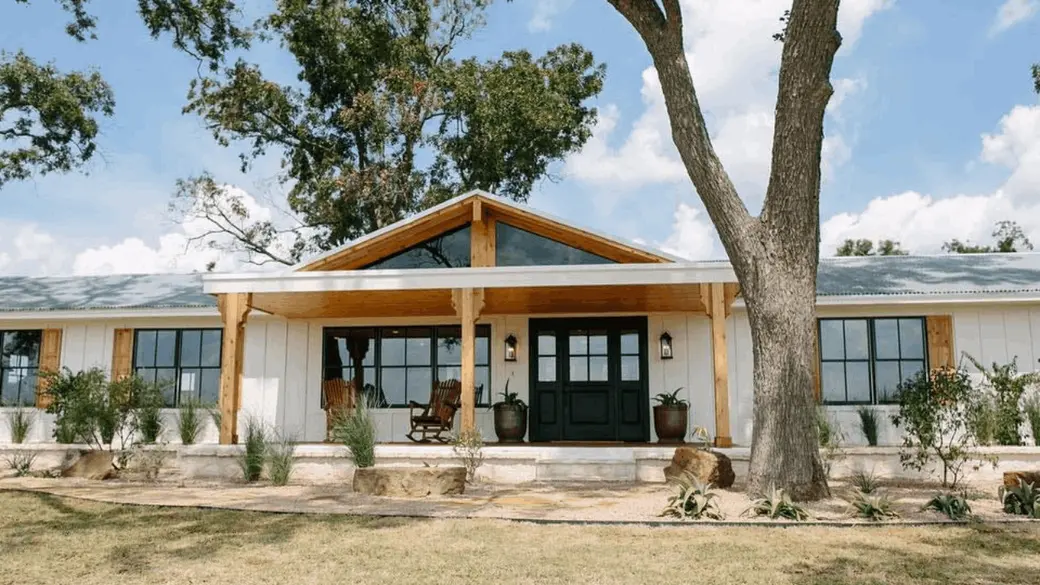
Many buyers assume the lowest-priced home automatically represents the best value. While price matters, value is about much more than the number on the listing.
Cheaper homes often come with hidden costs. Deferred maintenance, aging systems, or major repairs can quickly erase any initial savings. Buyers may save upfront but pay significantly more after closing.
Location also plays a major role. A less expensive home in a weaker location may struggle with resale later. Buyers who prioritize long-term value consider demand, school zones, neighborhood stability, and proximity to amenities, not just price.
Another factor is livability. A cheaper home with an awkward layout, poor natural light, or limited storage may lead to dissatisfaction. Buyers often underestimate how much these factors affect daily life.
The best deal is usually the home that balances price, condition, and location. A slightly higher-priced home that is well maintained and well located can cost less over time through lower repair needs and stronger resale performance.
Buyers should also consider opportunity cost. Choosing a cheaper home that requires immediate upgrades may delay enjoyment and create stress. Sometimes paying more upfront for a home that is move-in ready provides better overall value.
The smartest buyers evaluate total cost, not just purchase price. That includes maintenance, improvements, lifestyle impact, and long-term marketability. Value is holistic, not just numerical.
Recent Posts






GET MORE INFORMATION